Recognizing the Foreign Earned Earnings Exclusion and Its Influence On Your Common Reduction
The Foreign Earned Earnings Exclusion (FEIE) supplies considerable advantages for migrants, enabling them to omit a part of their foreign-earned earnings from united state taxes. Nevertheless, declaring the FEIE can complicate one's tax scenario, particularly regarding the common deduction. Understanding this communication is necessary for people living abroad. As expatriates navigate these complexities, they have to take into consideration just how their options affect their overall tax obligation. What approaches can they utilize to enhance their monetary results?
What Is the Foreign Earned Earnings Exemption (FEIE)?
The Foreign Earned Revenue Exemption (FEIE) works as an important tax advantage for U.S. people and resident aliens functioning abroad. This stipulation enables eligible individuals to leave out a significant section of their foreign-earned earnings from U.S. taxes, effectively reducing their overall tax concern. The FEIE aims to ease the monetary stress on expatriates and encourages Americans to go after work chances in foreign markets. The exemption relates to salaries, salaries, and expert fees made while living in an international nation. The maximum exemption amount is changed annually for rising cost of living, ensuring that it continues to be pertinent to present financial problems. By making use of the FEIE, expatriates can preserve more of their income, cultivating economic stability while living overseas. Overall, the FEIE plays a vital duty fit the financial landscape for Americans abroad, facilitating a smoother change to international work settings and advertising financial involvement on a worldwide range.
Eligibility Needs for the FEIE
Eligibility for the Foreign Earned Income Exemption (FEIE) is contingent upon meeting certain standards set by the Internal Earnings Service (INTERNAL REVENUE SERVICE) Primarily, people must be U.S. citizens or resident aliens who make earnings while living in a foreign country. To certify, they have to please one of 2 primary tests: the Physical Presence Test or the Bona Fide Home Test.
The Physical Visibility Test calls for individuals to be physically existing in a foreign country for a minimum of 330 full days within a 12-month period - FEIE Standard Deduction. Alternatively, the Bona Fide Residence Test requires that individuals develop residency in an international country for a continuous duration that includes an entire tax year
In addition, the income has to be originated from individual solutions executed in the foreign country. Fulfilling these requirements enables taxpayers to exclude a considerable part of their foreign-earned revenue from U.S. taxation, thus minimizing their overall tax obligation responsibility.
How to Declare the FEIE
To start the procedure, individuals should gather files that validate their foreign earnings, such as pay stubs, tax obligation returns from foreign countries, and any pertinent employment agreements. It is very important to assure all earnings declared under the FEIE is made from international sources and satisfies the needed thresholds.
Furthermore, taxpayers need to think about submitting deadlines and any kind of feasible expansions. Declaring the FEIE appropriately not only assists in lessening tax obligation liability but additionally ensures compliance with IRS laws. Appropriate paperwork and adherence to standards are vital for a successful claim of the Foreign Earned Revenue Exemption.
The Communication In Between FEIE and Basic Deduction
The communication between the Foreign Earned Income Exemption (FEIE) and the conventional deduction is a necessary facet of tax planning for expatriates. Understanding the standard concepts of FEIE, in addition to the limitations of the standard deduction, can significantly affect tax filing techniques. This area will check out these components and their ramifications for taxpayers living abroad.
FEIE Fundamentals Described
While numerous expatriates look for to reduce their tax concern, comprehending the interaction in between the Foreign Earned Income Exemption (FEIE) and the standard reduction is vital. The FEIE permits united state people and resident aliens living abroad to omit a certain quantity of international gained revenue from U.S. taxation. This exclusion can considerably decrease gross income, potentially impacting eligibility for various other deductions, such as the typical deduction. Incredibly, people that declare the FEIE can not also take the common reduction versus the excluded income. Consequently, expatriates must meticulously review their total revenue and reductions to enhance their tax obligation circumstance. Understanding of these communications can bring about more enlightened economic choices and far better tax obligation techniques for expatriates guiding via their unique scenarios.
Criterion Reduction Limitations
Recognizing the restrictions of the common deduction in relation to the Foreign Earned Revenue Exclusion (FEIE) is crucial for migrants navigating their tax obligation obligations. While the FEIE enables qualifying individuals to leave out a certain amount of foreign-earned revenue from united state taxation, it can affect the conventional reduction they are qualified to case. Specifically, taxpayers who declare the FEIE can not additionally assert the conventional deduction on that omitted earnings. Additionally, if an expatriate's total revenue falls listed below the standard deduction threshold, they may not take advantage of it whatsoever. This interplay demands cautious preparation to optimize tax advantages, as underutilizing the basic reduction can lead to higher gross income and increased tax responsibility. Recognizing these restrictions is crucial for reliable tax obligation method.
Tax Obligation Filing Ramifications
Navigating the tax obligation filing ramifications of the Foreign Earned Earnings Exemption (FEIE) calls for cautious consideration of how it engages with the standard deduction. Taxpayers utilizing the FEIE can leave out check my source a substantial portion of their foreign-earned income, however this exemption affects their qualification for the conventional deduction. Specifically, if a specific cases the FEIE, they can not additionally assert the conventional deduction for that income. This can lead to a lower total tax obligation liability however might complicate the filing procedure. In addition, taxpayers must ensure conformity with internal revenue service demands when filing Kind 2555 for the FEIE. Recognizing these communications is important for optimizing tax advantages while avoiding potential pitfalls in the filing process. Careful planning can optimize advantages and decrease liabilities.
Prospective Tax Obligation Implications of Making Use Of the FEIE
The Foreign Earned Revenue Exclusion (FEIE) supplies significant tax benefits for U.S. residents functioning abroad, yet it also includes potential implications that require careful consideration. One major effect is the influence on qualification for specific tax obligation credit ratings and reductions. By choosing to use the FEIE, taxpayers might inadvertently minimize their modified gross earnings, which can limit access to credit scores like the Earned Earnings Tax Credit or reduce the amount of basic reduction offered.
Furthermore, people who use the FEIE might deal with issues when going back to the U.S. tax obligation system, specifically concerning the taxation of future revenue. The exemption applies just to gained earnings, meaning various other revenue types, such as rewards or passion, remain taxable. This distinction demands precise record-keeping to guarantee conformity. Lastly, the FEIE may affect state tax commitments, as some states do not identify the exclusion and may tire all income made by their locals, regardless of where it is earned.
Tips for Optimizing Your Tax Advantages While Abroad
While working abroad can be enhancing, it additionally presents one-of-a-kind chances to enhance tax benefits. To make best use of these benefits, people ought to first determine their eligibility for the Foreign Earned Revenue Exemption (FEIE) and think about the physical existence test or the bona fide home test. Keeping thorough documents of all earnings gained and expenses incurred while overseas is necessary. This documents sustains claims for reductions and credit scores.
In addition, comprehending the additional info tax obligation treaties in between the United States and the host nation can help stay clear of double tax. People ought to likewise discover payments to tax-advantaged accounts, such as Individual retirement accounts, which may supply more deductions.

Lastly, seeking advice from a tax expert focusing on expatriate tax obligation regulation can supply tailored strategies and assurance compliance with both U.S. and foreign tax obligation commitments. By taking these actions, migrants can efficiently boost their monetary scenario while living abroad.
Frequently Asked Inquiries
Can I Use FEIE if I Help an International Federal government?
Yes, an individual can make use of the Foreign Earned Income Exemption (FEIE) while benefiting an international federal government, supplied they satisfy the requisite conditions detailed by the internal revenue service, consisting of the physical existence or authentic residence examinations.

Does FEIE Apply to Self-Employment Income?
The Foreign Earned Earnings Exclusion (FEIE) does put on self-employment income, provided the individual fulfills the needed requirements. Eligible freelance individuals can omit qualifying income gained while living in an international country from taxation.
Suppose My Foreign Income Goes Beyond the FEIE Limit?
The excess amount may be subject to U.S. tax if foreign revenue goes beyond the FEIE restriction. Taxpayers must report and pay tax obligations on the earnings over the exemption limit while still benefiting from the exemption.
Can I Claim the FEIE and Make A List Of Deductions?
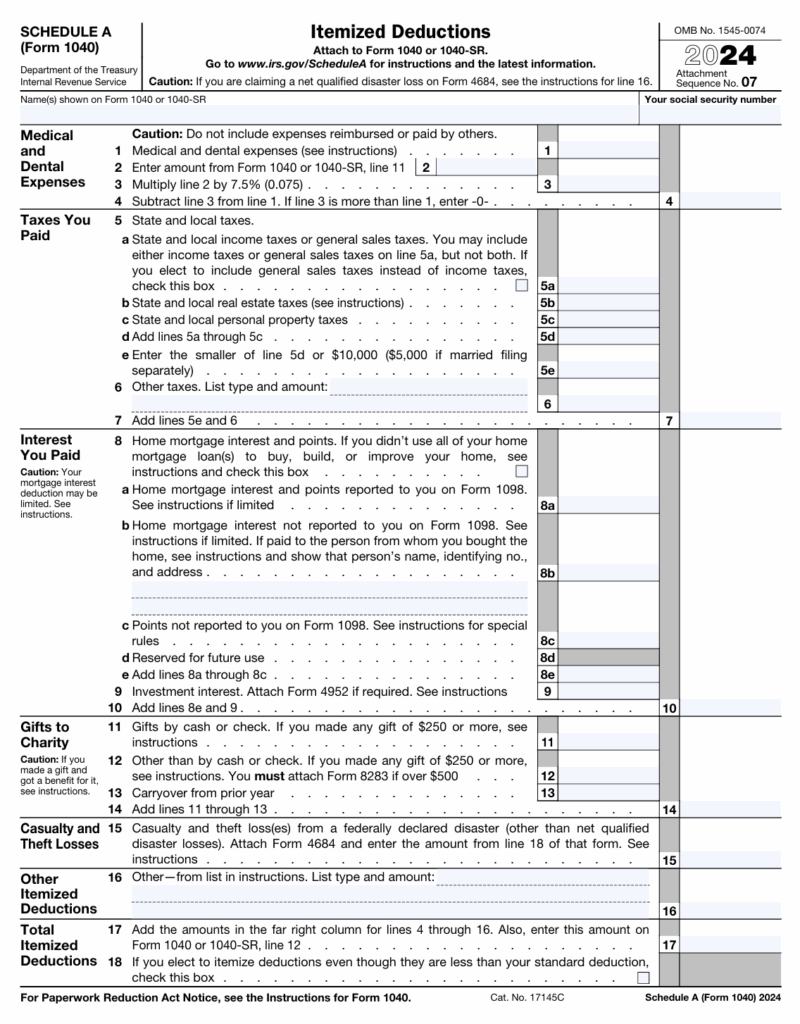
Yes, people can assert the Foreign Earned Revenue Exemption (FEIE) while also itemizing deductions. They should be conscious that asserting the FEIE may impact the accessibility of particular itemized reductions on their tax obligation return.

Just How Does FEIE Influence My State Tax Responsibilities?
The Foreign Earned Income Exemption can minimize state tax obligation commitments, as numerous states adhere to government standards. Nevertheless, private state regulations differ, so it's vital to speak with state tax obligation laws for specific effects on tax obligation obligations.
The Foreign Earned Revenue Exemption (FEIE) supplies considerable benefits for expatriates, enabling them to omit a section of their foreign-earned income from U.S. taxes. While several migrants look for to lower Continue their tax obligation problem, recognizing the interaction between the Foreign Earned Income Exclusion (FEIE) and the standard deduction is necessary. Understanding the restrictions of the common reduction in relationship to the Foreign Earned Revenue Exemption (FEIE) is vital for expatriates navigating their tax obligations. The exclusion applies just to made income, meaning various other revenue types, such as rewards or interest, stay taxable. The Foreign Earned Income Exclusion (FEIE) does use to self-employment revenue, provided the private meets the required needs.